


...
 
All California Sea Lions Harmful Algal Blooms Invasive Species Marine Mammals Sea Turtle Nesting Sharks Use Cases
Strengthening Data for the UN-CMS Global Assessment of Dugong Conservation Needs
Marine Mammals

Strengthening Data for the UN-CMS Global Assessment of Dugong Conservation Needs

Recently featured in SIRENEWS, the newsletter of the Sirenia Specialist Group Some opportunities feel less like business development and more…

Championing Sea Turtle Conservation: The Sea Turtle Rescue, Assistance, and Rehabilitation Act
Sea Turtle Nesting

Championing Sea Turtle Conservation: The Sea Turtle Rescue, Assistance, and Rehabilitation Act

Championing Sea Turtle Conservation: The Sea Turtle Rescue, Assistance, and Rehabilitation Act In a monumental stride towards marine conservation, the…

Marine Mammal Stranding and Response: A Closer Look at NOAA’s Efforts
Marine Mammals

Marine Mammal Stranding and Response: A Closer Look at NOAA’s Efforts

Marine Mammal Stranding and Response: A Closer Look at NOAA’s Efforts A Marine Mammal Stranding event occurs when a Cetacean…

Algae, Always Abundant: A Global Perspective
Harmful Algal Blooms

Algae, Always Abundant: A Global Perspective

Algae, Always Abundant: A Global Perspective Algae, the ubiquitous green mass often spotted floating in bodies of water, isn’t confined…

Sea Turtle Nesting Season: Enhancing Conservation with Data Collection Software
Sea Turtle Nesting

Sea Turtle Nesting Season: Enhancing Conservation with Data Collection Software

Each year, sea turtles lay their eggs on coastal beaches. This critical phase in their lifecycle, known as the nesting…

Seals, Sharks, and Swimmers, Are You Serious? Navigating Cape Cod’s Unique Marine Environment
Sharks

Seals, Sharks, and Swimmers, Are You Serious? Navigating Cape Cod’s Unique Marine Environment

Seals, Sharks, and Swimmers, Are You Serious? Navigating Cape Cod’s Unique Marine Environment Cape Cod, a renowned summer destination known…

Pythons, Iguanas, Agamas, Oh My: Navigating the Surge of Invasive Species
Invasive Species

Pythons, Iguanas, Agamas, Oh My: Navigating the Surge of Invasive Species

Pythons, Iguanas, Agamas, Oh My: Navigating the Surge of Invasive Species In recent years, regions around the globe have been…

Is that green gunk toxic or tasty? Unraveling the mystery of algae
Harmful Algal Blooms

Is that green gunk toxic or tasty? Unraveling the mystery of algae

When we come across algae, the first question that often springs to mind is: Is that green gunk floating in…

Ocean Animal Response and Research Alliance (OARRA) and WatchSpotter: Pioneering Marine Conservation through Technology
Use Cases

Ocean Animal Response and Research Alliance (OARRA) and WatchSpotter: Pioneering Marine Conservation through Technology

Ocean Animal Response and Research Alliance (OARRA) and WatchSpotter: Pioneering Marine Conservation through Technology In an era where technology profoundly…

Unveiling the Secrets of California Sea Lions: The Role of Data Collection Software in Behavioral and Population Studies
California Sea Lions

Unveiling the Secrets of California Sea Lions: The Role of Data Collection Software in Behavioral and Population Studies

California sea lions, iconic residents of the North American Pacific coast, are a focal point for marine research and conservation…

Understanding Dolphin Population Studies: The Role of Data Collection
Marine Mammals

Understanding Dolphin Population Studies: The Role of Data Collection

Dolphins, with their intelligence, sociability, and acrobatics, have long fascinated humans. katiejo bikini However, beyond their charismatic presence lies an…

Enhancing Sea Turtle Nesting Surveys: The Power of Data Collection Software
Sea Turtle Nesting

Enhancing Sea Turtle Nesting Surveys: The Power of Data Collection Software

Sea turtles have roamed the Earth’s oceans for millions of years, embodying resilience and the intricate balance of marine ecosystems.…

Marine Mammal Stranding and Response: A Closer Look at NOAA’s Efforts

Marine Mammal Stranding and Response: A Closer Look at NOAA’s Efforts

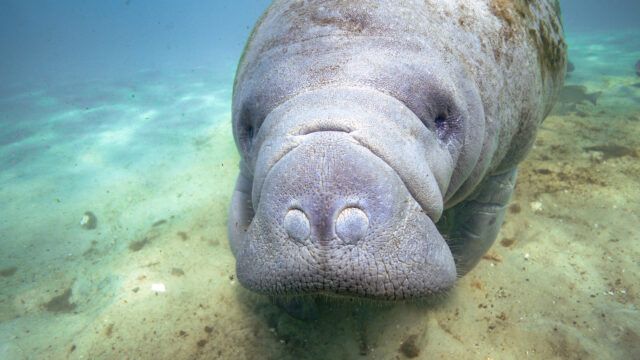
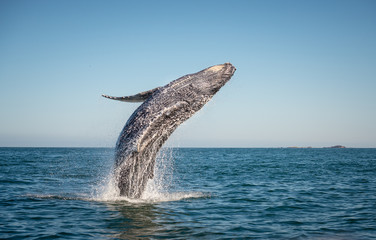
A Marine Mammal Stranding event occurs when a Cetacean (dolphin or whale), a Pinniped (seal or sea lion), or a Sirian (manatee) is found distressed in the water, floating on the water or on the beach and unable to return on their own back to the water. These distressing events where these marine mammals end up on beaches or shorelines have been a cause for concern among environmentalists, scientists, and the general public. The National Oceanic and Atmospheric Administration (NOAA) plays a crucial role in addressing these incidents through its Marine Mammal Health and Stranding Response Program (MMHSRP). This program is designed to facilitate a coordinated effort in understanding and mitigating the impacts of marine mammal strandings.

NOAA’s Stranding Response Program

NOAA’s MMHSRP operates to enhance the conservation and recovery of protected marine species while allowing for data collection from stranded animals, which can be crucial for scientific research. This program empowers stranding network partners, including trained professionals and volunteers nationwide, to respond to and care for stranded marine mammals. They assess the health of these animals, provide necessary rehabilitation, and, when possible, release them back into their natural habitat.

The program also focuses on investigating the causes of strandings. By understanding why these events occur, whether due to disease, pollution, ship strikes, or natural environmental changes, NOAA can develop strategies to prevent future incidents. This research is essential for the long-term conservation of marine mammal populations and the health of marine ecosystems.

Data Collection and Analysis with WatchSpotter

Integrating modern technology into wildlife conservation efforts can significantly enhance their effectiveness. The WatchSpotter Data Collection Solution represents an innovative approach to monitoring and managing marine mammal strandings.

WatchSpotter: Enhancing Marine Mammal Conservation Efforts

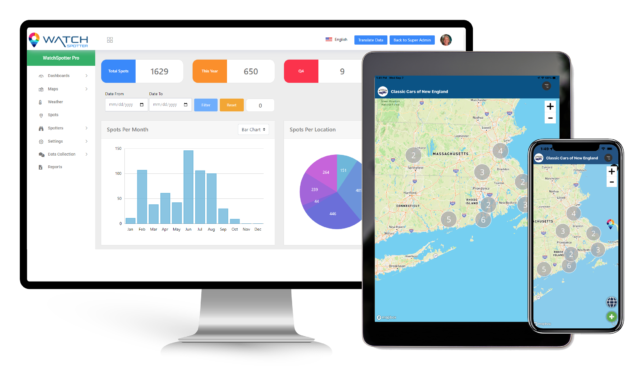
WatchSpotter is a cutting-edge platform that provides real-time data collection and analysis capabilities specifically tailored for wildlife management. For marine mammal strandings, WatchSpotter can be a game-changer. The system employs advanced sensors and satellite imaging to monitor marine environments, detect stranded animals, and alert response teams quickly.

Stranding response programs like NOAA’s MMHSRP can achieve a more comprehensive understanding of stranding events by utilizing WatchSpotter. The data collected through this platform can help map stranding patterns, identify potential threats in marine habitats, and develop proactive measures to prevent future strandings.

Moreover, WatchSpotter facilitates seamless communication and coordination among various stakeholders involved in marine mammal rescue and rehabilitation efforts. This ensures a timely and effective response to stranding incidents, ultimately contributing to marine mammal populations’ well-being and marine ecosystems’ health.

In Conclusion

Marine mammal strandings are complex events that require a coordinated and informed response. NOAA’s Marine Mammal Health and Stranding Response Program, supported by technological advancements like the WatchSpotter Data Collection Solution, demonstrates a commitment to the conservation and recovery of marine mammals. Through these concerted efforts, we can hope to reduce the frequency and impact of these unfortunate incidents, ensuring a healthier future for our marine environments and marine mammals around the globe.

Copyright © 2025 WatchSpotter LLC. All Rights Reserved

Seraphinite AcceleratorOptimized by Seraphinite Accelerator
Turns on site high speed to be attractive for people and search engines.