





A single observation may not seem significant.
One dolphin sighting.
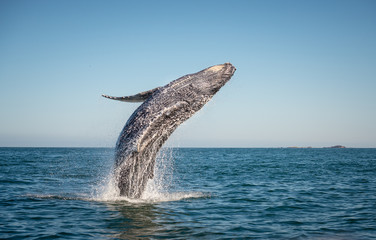
One whale breach.
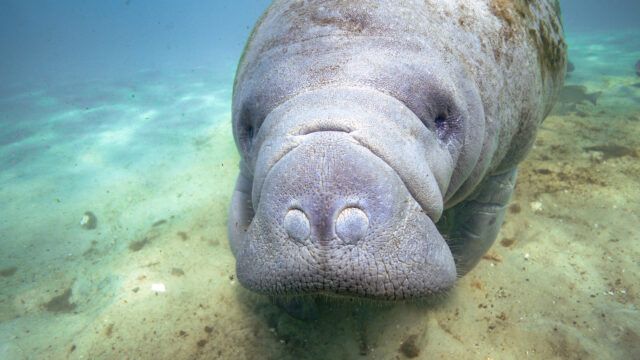
One dugong feeding in a seagrass meadow.
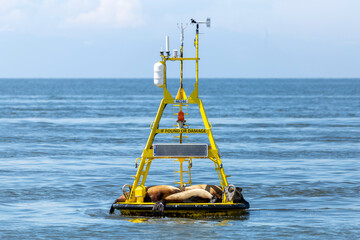
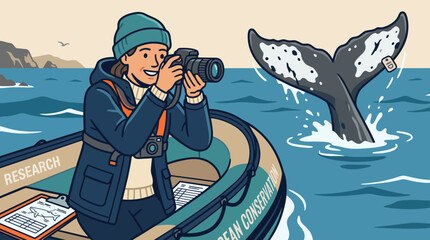
One photograph taken during a survey.
On its own, each represents a moment in time. But combine that observation with thousands of others collected across seasons, years, and regions, and something remarkable begins to happen.
Patterns emerge.
Migration routes become clearer. Important habitats are identified. Changes in distribution become visible. Individual animals can sometimes be followed across years or even decades.
This is one of the quiet truths behind environmental science: big discoveries are often built from very small moments.
One Observation at a Time
When researchers enter the field, they rarely know which observation will eventually prove important.
An animal appears somewhere unexpected.
A mother is seen with a calf.
A familiar individual is photographed years after its first identification.
A subtle behavioral change is recorded.
None of these moments necessarily announces itself as significant.
Researchers simply observe carefully, document consistently, and continue asking questions.
The importance may become apparent much later, when that observation is viewed alongside hundreds or thousands of others.
That is what makes consistent environmental monitoring so powerful.
From Moments to Patterns
Imagine plotting one marine mammal sighting on a map.
It tells us where an animal was observed at one particular moment.
Add hundreds of sightings and we may begin seeing areas where animals occur more frequently.
Add observations across multiple seasons and we may begin recognizing seasonal movement.
Continue for years and researchers may identify changes in distribution, habitat use, or population behavior.
The individual observations haven’t changed.
What has changed is our ability to see the larger story they collectively tell.
This is why preserving field observations matters.
The observation that seems routine today could become important when someone asks a question years from now that we haven’t even thought to ask yet.
The People Behind the Observations
Behind every dataset are people.
Researchers.
Students.
Observers.
Volunteers.
Conservation professionals.
People who wake before sunrise, spend long days on the water, work in difficult conditions, and carefully record what they see.
Scientific datasets can sometimes make fieldwork appear wonderfully neat: rows, columns, coordinates, timestamps.
The reality is rarely so tidy.
Each data point represents a moment when someone was paying attention.
That deserves recognition.
Connecting the Pieces
Technology can help us organize these observations.
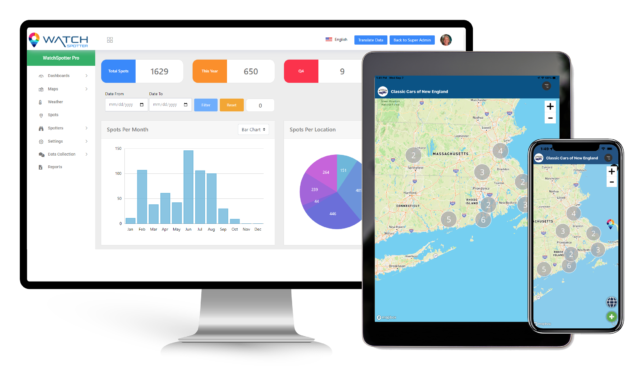
It can connect photographs with locations, preserve information across field seasons, visualize observations geographically, and make datasets easier to analyze and share.
At WatchSpotter, those are challenges we spend a great deal of time thinking about.
But technology doesn’t make an observation meaningful.
Context does.
The value emerges when observations can be connected to other observations and contribute to a deeper understanding of a species or ecosystem.
That is the transition from collecting information to creating knowledge.
One Ocean. Millions of Observations.
As the marine mammal community prepares to gather for SMM2026 around the theme One Ocean, One Future, we’re reminded that our understanding of that ocean is being built every day.
Different researchers.
Different species.
Different regions.
Different questions.
But millions of observations contributing pieces to the same enormous puzzle.
We may not always know which observation will eventually matter most.
So perhaps the best approach is to treat each one as though it might.
Because every observation matters.