


Four words can say a lot.
One Ocean. One Future.
As we prepare for the Society for Marine Mammalogy’s 2026 conference, we’ve been thinking about this year’s theme and what it means to us at WatchSpotter.
The more we think about it, the more it feels connected to the reason WatchSpotter exists in the first place.
The ocean doesn’t recognize the boundaries we’ve created.
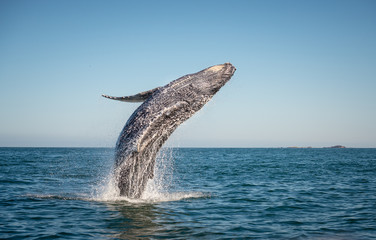
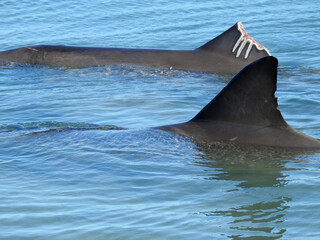
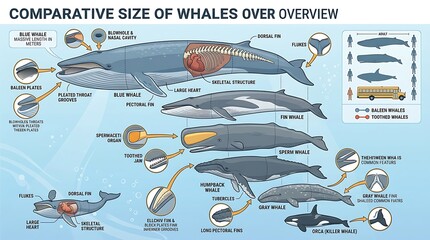
Whales migrate across international waters.
Dolphins move between jurisdictions.
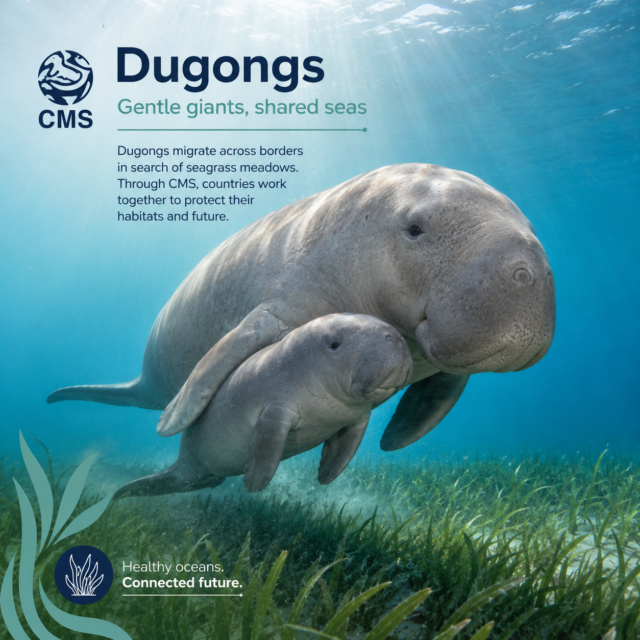
Dugongs depend on seagrass habitats spanning regions and countries.
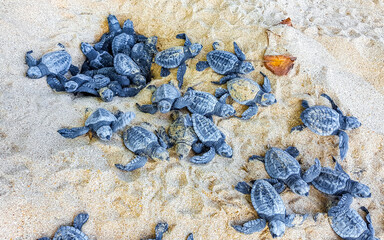
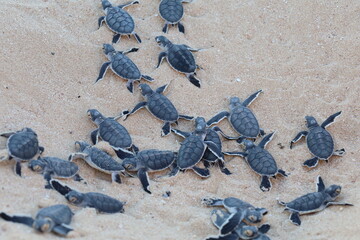
Sea turtles nesting here in our home of Indian River County may spend much of their lives somewhere entirely different.
The animals connect our ocean in ways that maps sometimes make easy to forget.
And understanding them requires us to be connected, too.
No One Organization Has the Whole Picture
Marine science happens everywhere.
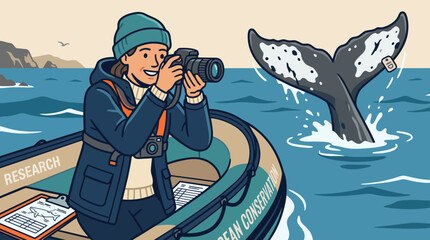
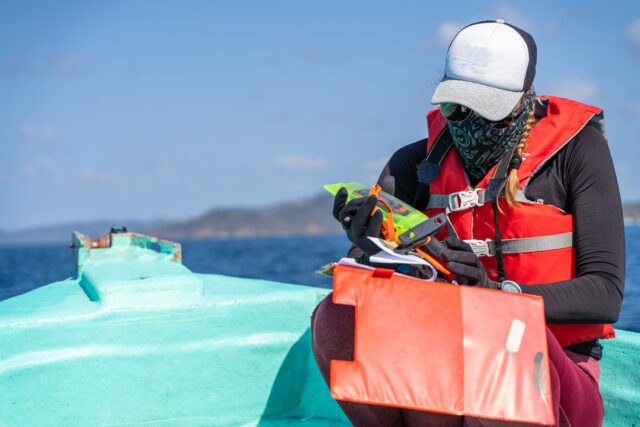
Researchers aboard vessels.
Teams conducting aerial surveys.
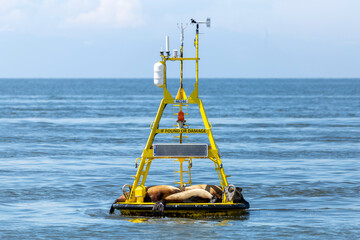
Scientists monitoring acoustics.
Observers walking beaches before sunrise.
Students collecting their first field observations.
Conservation organizations working alongside local communities.
Government agencies maintaining monitoring programs across decades.
Each may be looking at a different species, asking a different question, or working in a different part of the world.
But they’re all contributing pieces to a much larger story.
That’s what One Ocean. One Future. means to us.
It means recognizing that no single researcher, organization, technology, or country can see the entire picture.
Our understanding becomes stronger when those pieces can come together.
Every Observation Is Part of Something Bigger
This is also why we’ve come to believe so strongly that every observation matters.
One whale sighting may seem like a moment.
One photograph may seem like a photograph.
One acoustic detection may seem like a signal.
One sea turtle nest may seem like a set of tracks in the sand.
But observations accumulate.
One becomes hundreds.
Hundreds become thousands.
Seasons become years.
And eventually, patterns begin to emerge.
We begin to understand where animals travel.
Which habitats matter.
How populations are changing.
Where challenges may be emerging.
And sometimes we discover connections we didn’t even know to look for.
The observation belongs to one moment.
The knowledge it contributes can become part of something much larger.
The Challenge Is Connecting the Pieces
This is where WatchSpotter’s mission intersects so naturally with One Ocean. One Future.
Environmental research produces an extraordinary amount of valuable information.
But that information can easily become fragmented.
Paper forms.
Spreadsheets.
Photographs.
GPS files.
Audio recordings.
Separate databases.
Different research teams.
Different field seasons.
Different countries.
Different methodologies.
The challenge isn’t simply collecting more data.
It’s making sure the observations we’re already working so hard to collect remain useful, accessible, and connected.
That’s one of the problems we set out to help solve.
Our Role Is a Supporting One
We believe technology has an important role in the future of environmental science.
But we don’t believe technology is the hero of this story.
The researchers are.
The observers are.
The students are.
The conservation organizations are.
The communities are.
The people spending their careers trying to understand and protect the natural world are.
Our job at WatchSpotter is to support them.
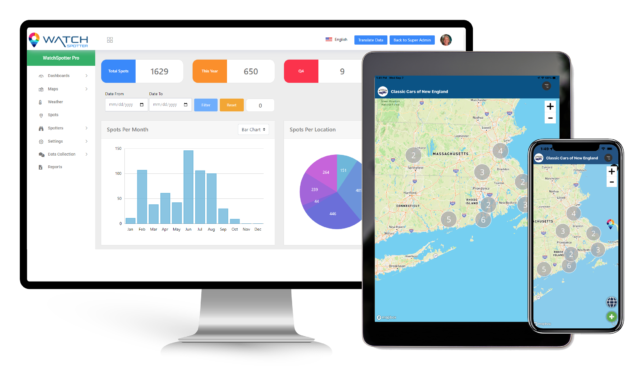
To make field observations easier to capture.
To help maintain consistency across projects and field seasons.
To keep locations, photographs, measurements, and observations connected.
To help information collected in remote environments make its way from the field into something researchers can use.
And ultimately, to help shorten the distance between observation and understanding.
One Ocean Requires Collaboration
There is another reason the SMM2026 theme resonates so strongly with us.
If there is truly one ocean, then understanding its future requires collaboration.
A species observed in one country may be observed months later somewhere else.
A population studied by one research organization may depend on habitat being monitored by another.
An observation collected today may eventually help answer a question asked by a scientist years from now.
That makes interoperability, accessibility, and consistency more than technical concerns.
They can become part of the scientific process itself.
Not because every organization should collect information exactly the same way.
They shouldn’t.
Scientific methodology must remain driven by the questions researchers are trying to answer.
But where information can be connected responsibly, we believe technology should make that easier.
From Observation to Understanding
We often use the phrase environmental intelligence to describe where we believe this can lead.
The idea is simple.
Observations create information.
Connected observations create context.
Context can reveal patterns.
Patterns create understanding.
Understanding informs decisions.
And informed decisions can support better conservation outcomes.
Technology doesn’t create that understanding.
Scientists do.
WatchSpotter simply helps connect some of the pieces.
What One Ocean. One Future. Means to Us
For WatchSpotter, One Ocean. One Future. isn’t simply the theme of a conference we’re excited to attend.
It’s a reminder.
A reminder that the animals we study and protect are connected.
That ecosystems are connected.
That researchers are connected.
And that the observations being collected every day around the world may ultimately contribute to knowledge far beyond the place where they were first recorded.
It also reminds us to keep our own role in perspective.
We’re building technology.
Others are doing the extraordinary work of understanding our ocean.
If what we build can make their work a little easier, preserve an observation that might otherwise become disconnected, help researchers recognize a pattern, or allow information to contribute to a larger scientific story, then we’re doing what we set out to do.
Because there is only one ocean.
And understanding its future will require all of us.
Every observation matters.
One Ocean. One Future.