



Every observation begins as a moment.
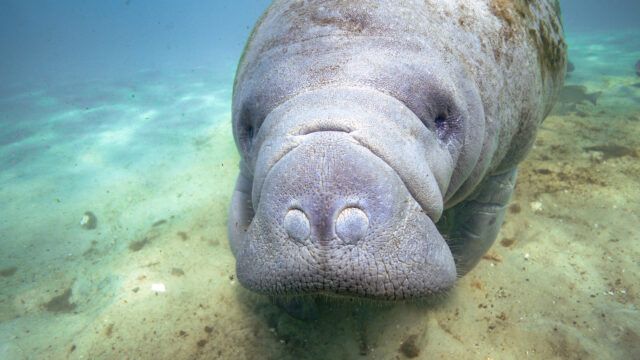
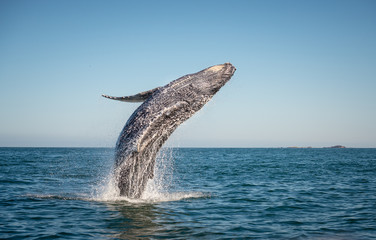
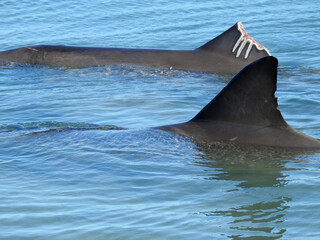
An animal surfaces.
A bird calls.
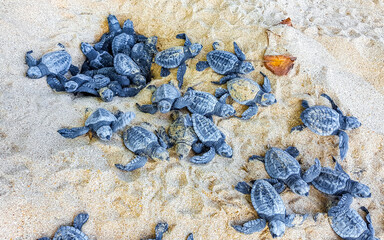
Tracks appear on a beach.
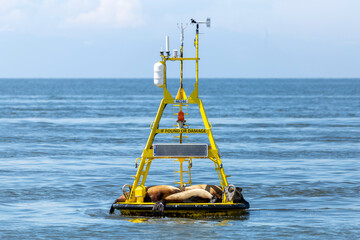
A water-quality measurement changes.
A researcher notices something unexpected.
Someone records what happened.
And then the moment passes.
But the observation doesn’t have to.
The Beginning of a Larger Story
One observation may tell us very little.
Where was an animal on a particular morning?
What behavior did someone witness?
What were the environmental conditions?
Useful information, certainly.
But limited.
Then another observation is added.
And another.
Days become seasons.
Seasons become years.
Individual observations begin forming patterns.
And suddenly we’re no longer looking at isolated moments.
We’re beginning to understand a story.
That’s why we believe every observation matters.
The Challenge Isn’t Simply Collecting Data
Researchers are extraordinarily good at collecting information.
The harder problem often comes afterward.
Observations may live in notebooks.
Spreadsheets.
GPS units.
Photograph folders.
Audio files.
Databases.
Different systems maintained by different people across different field seasons.
Valuable information can become fragmented—not because anyone did something wrong, but because environmental research is complex.
Field research is challenging enough.
Managing the information shouldn’t make it harder.
Why We Built WatchSpotter
WatchSpotter grew from a simple idea:
What if we could make it easier for people working in the field to preserve the observations they’re already making?
Not change their science.
Not tell researchers how to conduct their work.
Simply reduce some of the friction between observation and understanding.
Capture information consistently.
Keep photographs and locations connected.
Support work in places without connectivity.
Bring observations together.
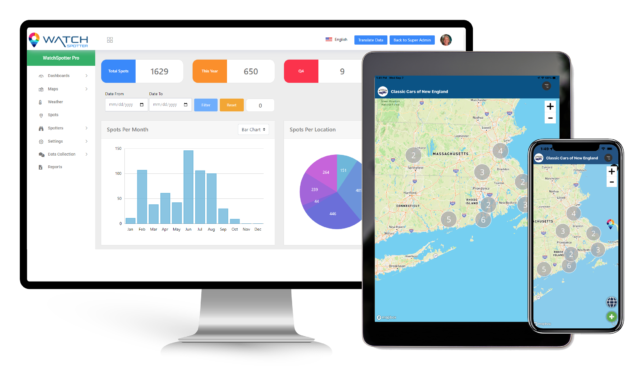
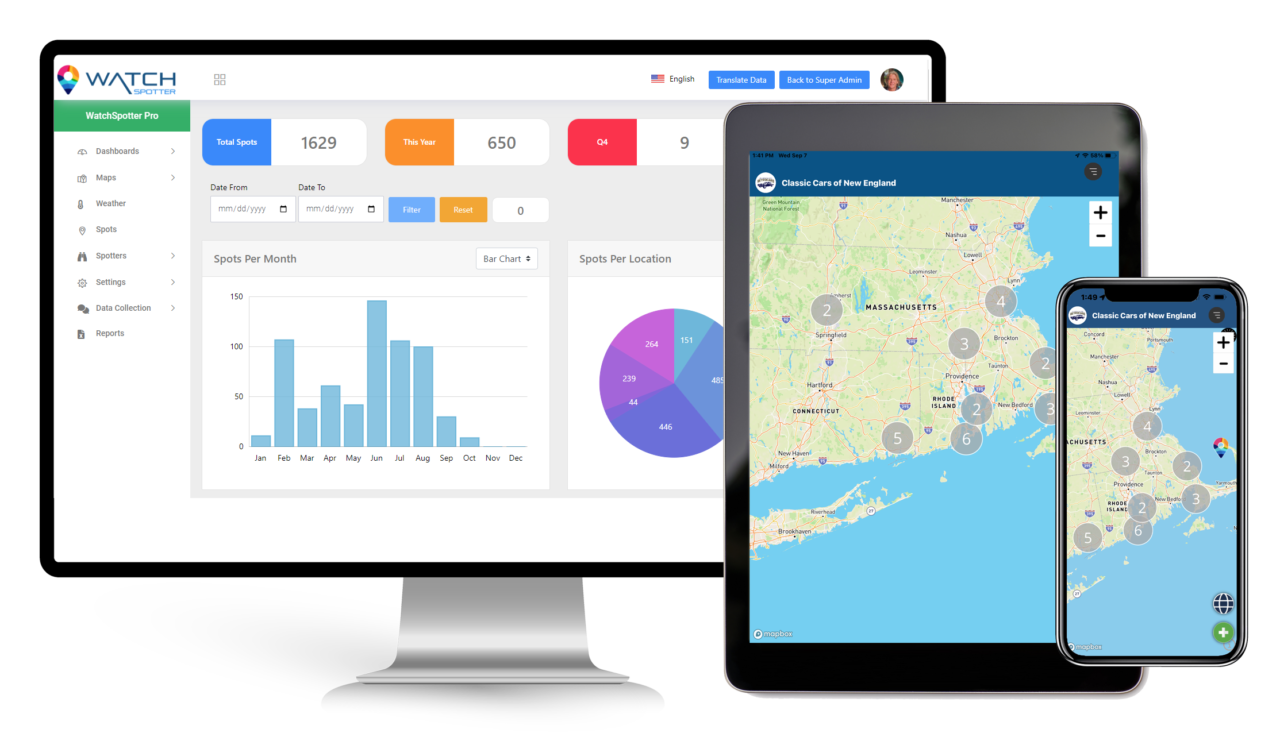
Help researchers visualize what they’ve collected.
Make information easier to prepare for analysis, collaboration, and reporting.
In other words, let technology handle more of the mechanics so people can spend more time asking the important questions.
Technology Should Never Be the Hero
This has become increasingly important to how we think about WatchSpotter.
The technology isn’t the hero of environmental conservation.
The people are.
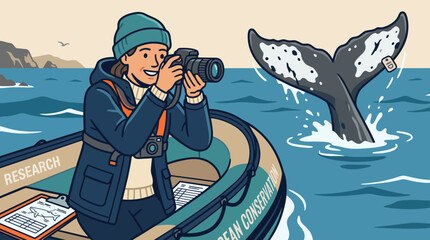
The researcher standing on a vessel scanning the horizon.
The student learning how to conduct a survey.
The observer walking a beach before sunrise.
The response team answering a call.
The scientist spending years trying to understand a population.
The conservation organization working with a community to protect habitat.
Technology has an important role.
But it is a supporting role.
It should make those people’s work easier, preserve what they observe, and help connect pieces that might otherwise remain separate.
From Observation to Understanding
We often describe the result as environmental intelligence.
That can sound complicated.
The idea really isn’t.
An observation is information.
Many observations connected over time provide context.
Context can reveal patterns.
Patterns can create understanding.
Understanding can inform decisions.
And better-informed decisions can support better conservation outcomes.
Technology doesn’t create that understanding.
Scientists do.
Our job is simply to help shorten the distance between the observation and the insight it may eventually provide.
A Philosophy Bigger Than a Product
“Every Observation Matters” began as a way of describing something we believe about environmental data.
It has become something more.
It reminds us why the work matters.
We don’t know which observation will eventually contribute to an important discovery.
We don’t know which photograph may identify an animal years later.
We don’t know which unexpected sighting may cause a researcher to ask a new question.
And we don’t know which information collected today may help someone understand an environmental change decades from now.
That’s the remarkable thing about observation.
Its value isn’t always apparent when it happens.
Keep Paying Attention
As we look toward SMM2026 and the idea of One Ocean, One Future, we’re reminded that our understanding of that ocean is being built continuously.
One researcher.
One field team.
One organization.
One community.
One observation at a time.
WatchSpotter exists to help preserve and connect some of those observations.
But the important work begins long before our technology becomes involved.
It begins when someone looks at the natural world closely enough to notice something.
And cares enough to record it.
Every observation matters.
Because every observation has the potential to become part of something much bigger.