

Recently featured in SIRENEWS, the newsletter of the Sirenia Specialist Group
Some opportunities feel less like business development and more like mission alignment. For us, this is one of them.
We are honored to be featured in SIRENEWS in connection with ongoing efforts to support the global dugong research community through improved digital data collection and standardized monitoring.
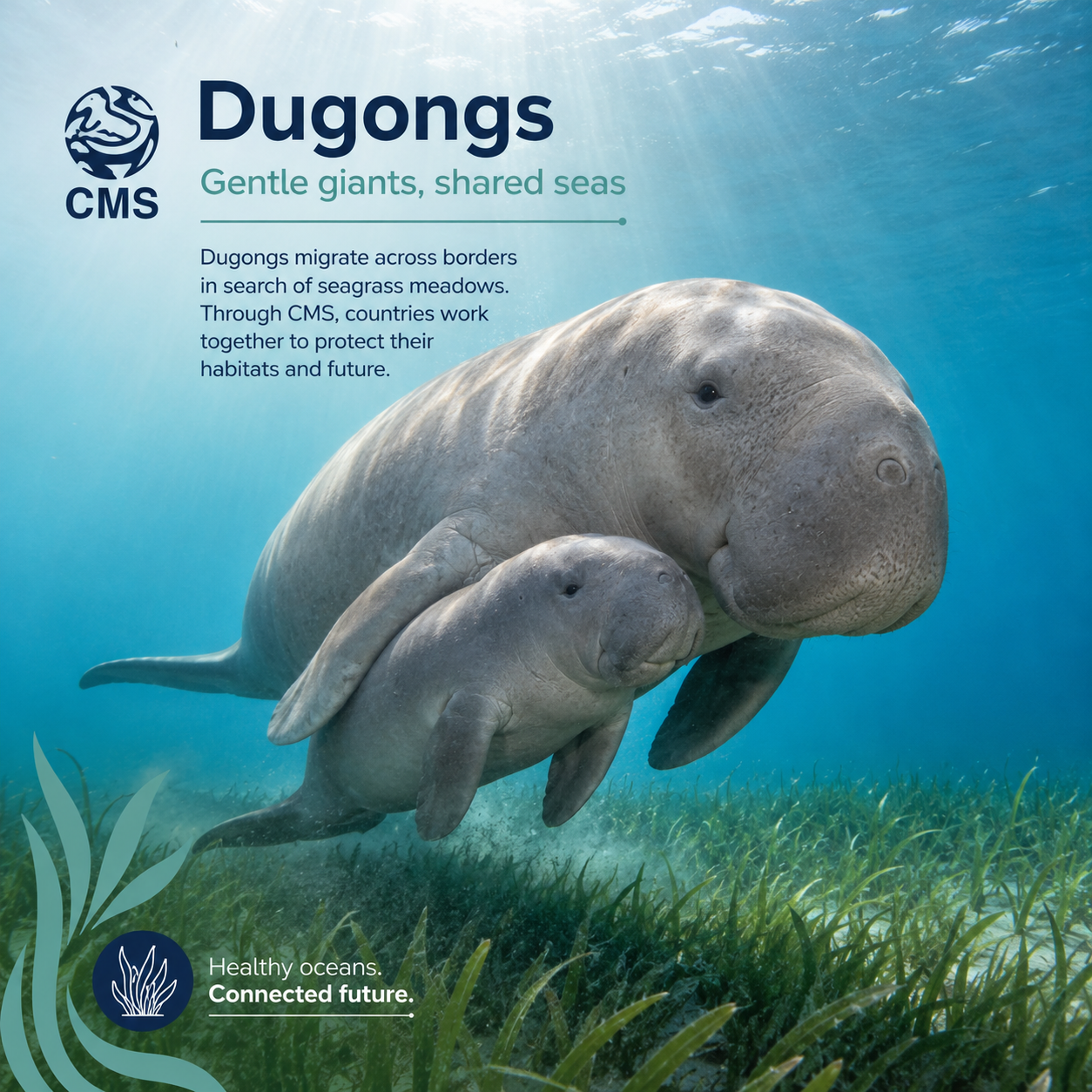
This work comes at an important moment, as the UN-CMS Global Assessment of Dugong Status and Conservation Needs, led under the Convention on Migratory Species, is helping strengthen the scientific foundation for understanding dugong populations, identifying conservation priorities, and informing policy across more than 40 range states.
For us, being connected in some way to an effort of this scale is deeply meaningful.
At its core, the Global Assessment reflects something we strongly believe:
Conservation outcomes improve when the science is supported by stronger, more consistent data.
That opportunity was captured powerfully by renowned dugong scientist Helene Marsh:
“The dugong’s range spans more than 40 countries. We know little about them in many parts of the range. WatchSpotter has the potential to fill vital gaps.”
— Helene Marsh, James Cook University
We were deeply honored by those words.
“Fill vital gaps” speaks directly to why we created WatchSpotter.
Supporting a Global Conservation Effort
Across the dugong’s range, researchers work under diverse and often challenging conditions—remote coastlines, limited infrastructure, and varied monitoring approaches.
Yet the scientific need is shared: field data that are rigorous, comparable, and capable of supporting conservation decisions at regional and global scales.
That is why the UN-CMS Global Assessment is so significant.
Its emphasis on strengthening the evidence base for dugong conservation highlights the importance of standardized observations, consistent methodologies, and tools that support collaboration across geographies.
We believe digital field technologies can contribute meaningfully to that work.
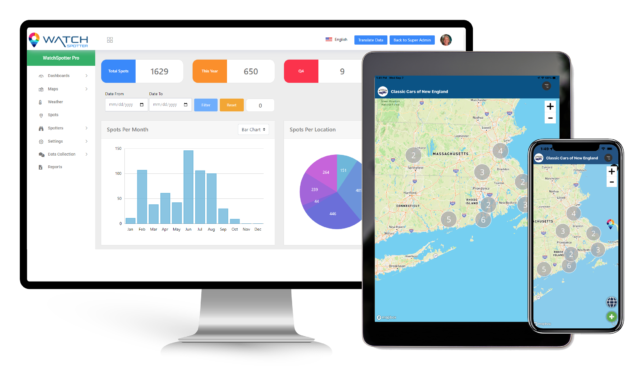
Through customizable forms, offline capability, multilingual support, and standardized workflows, WatchSpotter was designed to help researchers capture and manage observations in ways that are practical in the field while supporting broader comparability across projects.
Our hope is that tools like these can help support—not replace—the excellent methodologies already being used by the dugong science community.
From Data to Policy-Relevant Science
For us, this is about much more than technology.
It is about supporting the science that informs conservation action.
It is about helping strengthen the pathways from field observations to regional assessments, management decisions, and ultimately policy.
As we noted in our SIRENEWS article:
“By supporting more standardized and accessible data collection across regions, we hope to contribute to stronger scientific outputs that can inform policy decisions and drive meaningful conservation outcomes at a global scale.”
— Anne Sleeman, Co-founder and CEO, WatchSpotter
That remains exactly our hope.
From field observations and population assessments to coordinated research across regions, stronger datasets can help transform individual observations into evidence that supports conservation decisions.
And as Helene so powerfully reminded us, there are still vital gaps to fill.
A Meaningful Milestone for Us
Being invited to contribute to SIRENEWS is an honor, but even more than that, it reflects the kind of work we built WatchSpotter to support.
From citizen science to global conservation initiatives, this moment reflects a mission we care deeply about: helping researchers collect meaningful data that can lead to real-world impact.
We are especially grateful to the Dugong MOU community, and to Helene Marsh and Abdelmenam Mohamed for their leadership and commitment to advancing collaborative conservation science through the UN-CMS framework.
We look forward to supporting the researchers doing this important work.
Supporting science. Standardizing data. Strengthening conservation.