


All California Sea Lions Harmful Algal Blooms Invasive Species Marine Mammals Marine Scientists Sea Turtle Nesting Sharks Use Cases
One Ocean. One Future. What It Means to WatchSpotter
Marine Mammals

One Ocean. One Future. What It Means to WatchSpotter

Four words can say a lot. One Ocean. One Future. As we prepare for the Society for Marine Mammalogy’s 2026…

Every Observation Matters: The Philosophy Behind WatchSpotter
Marine Mammals

Every Observation Matters: The Philosophy Behind WatchSpotter

Every observation begins as a moment. An animal surfaces. A bird calls. Tracks appear on a beach. A water-quality measurement…

One Ocean. One Future: Why Marine Conservation Depends on Collaboration
Marine Mammals

One Ocean. One Future: Why Marine Conservation Depends on Collaboration

One Ocean. One Future: Why Marine Conservation Depends on Collaboration The ocean doesn’t recognize borders. A whale migrating through the…

A Better Way to Observe: How Technology Is Changing Marine Mammal Science
Marine Scientists

A Better Way to Observe: How Technology Is Changing Marine Mammal Science

How do you give a whale a health check without asking it to stop? It’s a remarkable challenge. And researchers…

From Observation to Understanding: What Is Environmental Intelligence?
Marine Mammals

From Observation to Understanding: What Is Environmental Intelligence?

We talk a lot about environmental data. But data alone isn’t the destination. Imagine a researcher records a marine mammal…

Conservation Begins With Understanding
Marine Mammals

Conservation Begins With Understanding

Before we can protect something, we have to understand it. Where does a species go? What does it eat? Where…

Small Observations, Big Impact
Marine Mammals

Small Observations, Big Impact

Science is often remembered for its big discoveries. But big discoveries are usually built from thousands of very small moments.…

Why Long-Term Environmental Monitoring Matters
Marine Mammals

Why Long-Term Environmental Monitoring Matters

Some discoveries happen in an instant. Others take decades. A single field season can provide valuable insight into what is…

What Can Environmental Data Reveal?
Marine Mammals

What Can Environmental Data Reveal?

Marine mammals can’t tell us directly how their environment is changing. But sometimes their behavior can. Changes in distribution. Changes…

The Story Behind a Sighting: Celebrating the People Behind Marine Mammal Science
Marine Mammals

The Story Behind a Sighting: Celebrating the People Behind Marine Mammal Science

Every marine mammal sighting has a story behind it. The public often sees the final result. A map. A scientific…

Every Observation Matters: How Small Moments Build Big Science
Marine Mammals

Every Observation Matters: How Small Moments Build Big Science

A single observation may not seem significant. One dolphin sighting. One whale breach. One dugong feeding in a seagrass meadow.…

Strengthening Data for the UN-CMS Global Assessment of Dugong Conservation Needs
Marine Mammals

Strengthening Data for the UN-CMS Global Assessment of Dugong Conservation Needs

Recently featured in SIRENEWS, the newsletter of the Sirenia Specialist Group Some opportunities feel less like business development and more…

Algae, Always Abundant: A Global Perspective

Algae, Always Abundant: A Global Perspective

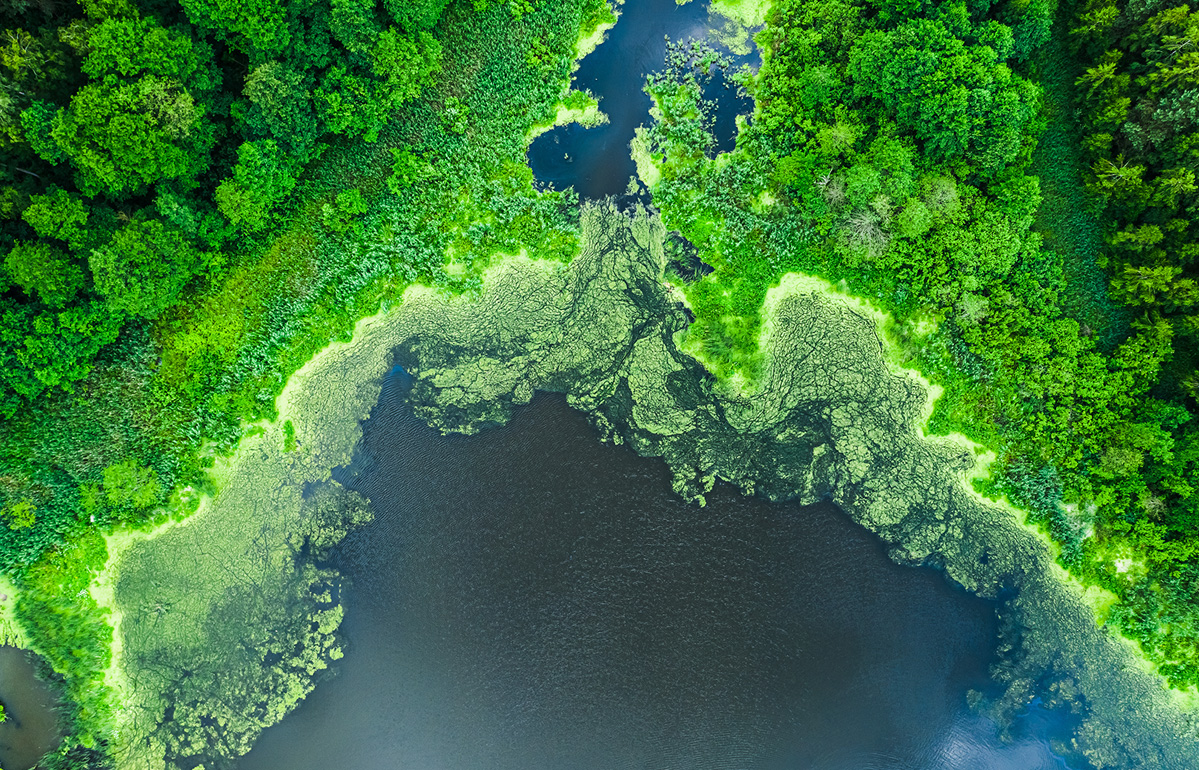
Algae, the ubiquitous green mass often spotted floating in bodies of water, isn’t confined to one locale or ecosystem. Contrary to the common perception that harmful algal blooms are a unique problem in places like Lake Okeechobee in Florida, these environmental phenomena are a global issue, affecting water bodies worldwide. The free drinking water website described it perfectly when they stated: “A lake dominated by green algae and diatoms is relatively “clean” oligotrophic water, whereas dominance by bloom-forming blue-green algae indicates a more polluted or eutrophic condition, typically caused by the troublesome Cyanobacteria. Cyanobacteria are members of a group known as eubacteria or true bacteria.”

The Global Reach of Algal Blooms

Algae, in its numerous forms, exists in almost every aquatic environment, from the smallest pond to the largest ocean. While often associated with productive aquatic ecosystems, algae can become problematic when environmental conditions trigger excessive growth, leading to harmful algal blooms (HABs). These HABs are not just localized events; they are reported globally, from the cyanobacterial blooms in the Baltic Sea, Lake Okeechobee, and Lake Erie to the red tides off China, Australia, and Florida’s Gulf Coast.

These blooms can have devastating effects on the health of marine ecosystems, local economies, and human well-being. They deplete oxygen in the water, leading to dead zones where aquatic life cannot survive. Furthermore, the toxins produced by certain species of algae can be harmful to humans, animals, and plants, leading to illness and even death.

Monitoring and Managing Algae on a Global Scale

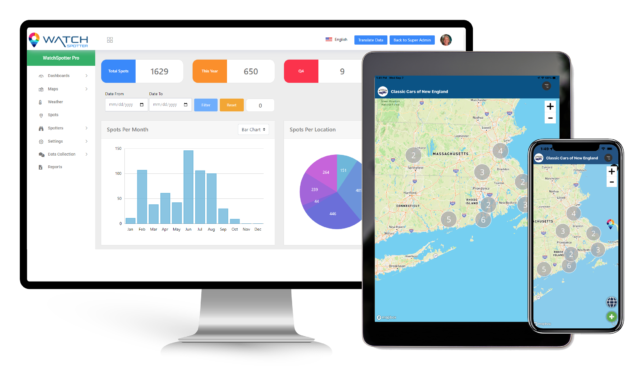
Addressing the challenge of harmful algal blooms requires a comprehensive and global approach to monitoring and management. This is where tools like WatchSpotter come into play. WatchSpotter is a state-of-the-art data collection platform designed to enhance our understanding and management of algal blooms.

WatchSpotter: A Vital Tool in Algal Research and Management

WatchSpotter combines advanced sensing technologies with a robust data collection platform to provide real-time, accurate information about algal distributions and compositions. By using WatchSpotter, researchers and environmental managers can quickly detect the onset of algal blooms, analyze their composition, and assess their potential impact on the environment.

The platform allows for the aggregation of data from multiple sources, facilitating a comprehensive view of global algal bloom trends. This data is invaluable for developing strategies to mitigate the adverse effects of harmful blooms and for informing policy decisions related to water management and environmental protection.

In Conclusion

Algae, a vital part of aquatic ecosystems, can become a significant threat when it grows uncontrollably. The global nature of harmful algal blooms highlights the need for international collaboration and advanced tools like WatchSpotter to monitor, study, and manage these events. By leveraging technology and global data, we can better understand algae’s complexities and develop effective solutions to mitigate its impacts, ensuring the health and sustainability of our waterways worldwide.

Copyright © 2025 WatchSpotter LLC. All Rights Reserved