








Sea turtles have roamed the Earth’s oceans for millions of years, embodying resilience and the intricate balance of marine ecosystems. However, today, these ancient mariners face numerous threats, from habitat destruction to climate change, making their conservation a priority. A critical aspect of sea turtle conservation is monitoring their nesting activities, a task where data collection software can play a transformative role. This blog post explores how such software can revolutionize sea turtle nesting surveys, improving data collection, analysis, and reporting processes.
The Importance of Sea Turtle Nesting Surveys
Sea turtle nesting surveys are vital for conservation efforts. They provide essential data on nesting trends, population sizes, and the success rates of hatchlings reaching the sea. This information helps conservationists understand the health of sea turtle populations and the effectiveness of protection measures, guiding policy and conservation strategies.
Traditional Methods and Their Limitations
Traditionally, sea turtle nesting surveys involve manual data recording, such as noting the number of nests, eggs, and hatchlings, and assessing threats like predation or human interference. While these methods have been invaluable, they are time-consuming, prone to human error, and often result in delayed data analysis and reporting.
The Advent of Data Collection Software
Data collection software represents a significant advancement in ecological research, offering a suite of tools designed to streamline the survey process. This software can automate data entry, integrate various data types, and facilitate real-time analysis and reporting. Let’s delve into the specific ways data collection software can enhance sea turtle nesting surveys.
- Standardization of Data Collection
Data collection software allows for the standardization of data entry across different survey sites and teams. This standardization reduces discrepancies in how data is recorded, leading to more accurate and comparable datasets. For example, predefined forms in the software ensure that all necessary information is collected systematically, improving the overall quality of the data.
- Real-time Data Entry and Access
With mobile devices, field researchers can enter data directly into the software during surveys, minimizing data transcription errors and loss. This real-time data entry means that information is immediately available for analysis, allowing quicker responses to emerging issues, such as identifying and protecting vulnerable nesting sites.
- Enhanced Data Analysis and Visualization
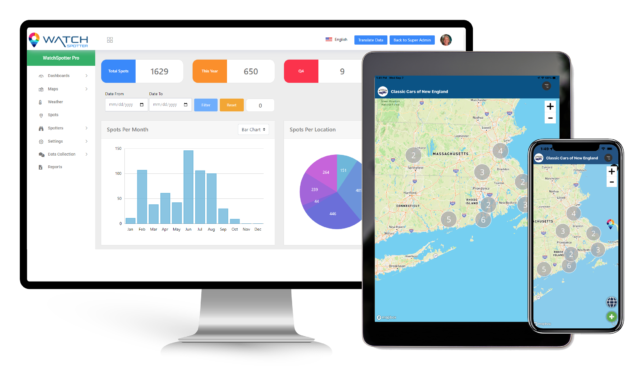
Data collection software often includes powerful analysis tools and visualization capabilities. Researchers can use these tools to detect trends, patterns, and anomalies in the data, aiding in the swift interpretation of survey results. Visual representations like maps and graphs provide intuitive insights into the spatial and temporal dynamics of sea turtle nesting, facilitating more informed decision-making.
- Improved Reporting and Sharing
Reporting is a critical component of nesting surveys, necessary for informing stakeholders, policymakers, and the public. Data collection software can automate report generation, producing professional, comprehensive reports that include detailed analyses, charts, and maps. Moreover, these reports can be easily shared, promoting transparency and collaboration among conservation entities.
- Integrating Environmental and Geospatial Data
Modern data collection software can integrate various data types, including environmental and geospatial data, providing a more holistic view of the nesting landscape. For instance, incorporating satellite imagery, weather data, and beach topography can help researchers understand how environmental factors influence nesting patterns and success rates.
- Long-term Data Management and Accessibility
The long-term management and accessibility of data are crucial for ongoing conservation efforts and historical analyses. Data collection software offers robust solutions for data storage, backup, and retrieval, ensuring that valuable data is preserved and accessible over time. This long-term data management supports trend analysis across years or decades, essential for understanding the impacts of environmental changes and conservation interventions on sea turtle populations.
Case Studies and Success Stories
The effectiveness of data collection software in sea turtle nesting surveys is not merely theoretical. Numerous conservation projects worldwide have witnessed tangible benefits from implementing these technologies. For instance, a project in Costa Rica utilized data collection software to monitor leatherback sea turtle nesting activities, resulting in more efficient data management and a better understanding of nesting patterns, which guided targeted conservation actions.
Challenges and Considerations
While the advantages of data collection software are clear, challenges remain. These include the need for training personnel to use the software effectively, ensuring data security and privacy, and the initial cost of software development and deployment. However, the long-term benefits, in terms of improved data quality, efficiency, and conservation outcomes, often outweigh these challenges.
Conclusion
Data collection software represents a significant leap forward in sea turtle nesting surveys, offering the potential to transform how data is collected, analyzed, and reported. By enhancing the efficiency and accuracy of these surveys, the software not only saves valuable time and resources but also contributes to more effective conservation strategies. As technology continues to advance, the integration of innovative data collection tools will undoubtedly play an increasingly vital role in the fight to preserve these majestic creatures and their habitats. The journey of sea turtle conservation is long and complex, but with the aid of modern technology, we are better equipped to ensure