










California sea lions, iconic residents of the North American Pacific coast, are a focal point for marine research and conservation efforts due to their abundance and approachability. These intelligent and playful mammals are not only a key species in marine ecosystems but also an indicator of ocean health. In recent years, data collection software has revolutionized the way researchers study California sea lions, providing insights into their behaviors, population dynamics, and the challenges they face. This blog explores the life of California sea lions and how data collection software is being used to monitor and protect these fascinating creatures.
Understanding California Sea Lions
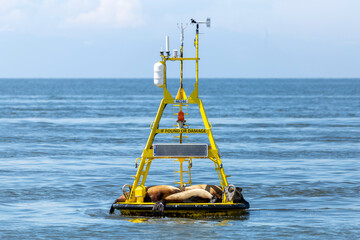
California sea lions (Zalophus californianus) are known for their intelligence, playful nature, and striking presence. Males can grow up to 7 feet in length and weigh around 850 pounds, while females are smaller, reaching up to 6 feet and 220 pounds. They are highly social animals, often seen basking in large groups on coastal beaches and docks. Their diet primarily consists of fish and squid, and they have adapted well to both open sea and coastal habitats, showcasing remarkable foraging and diving skills.
The Significance of Monitoring California Sea Lions
Monitoring California sea lions is crucial for several reasons. First, it helps scientists understand the health and trends of their populations, which are affected by factors like pollution, fishing, and climate change. Second, studying their behavior and movements provides insights into the ecological dynamics of marine environments, helping to inform conservation strategies and management policies. Lastly, monitoring these animals can aid in the early detection of oceanic changes, such as shifts in fish population and water quality, signaling broader environmental impacts.
The Advent of Data Collection Software in Marine Research
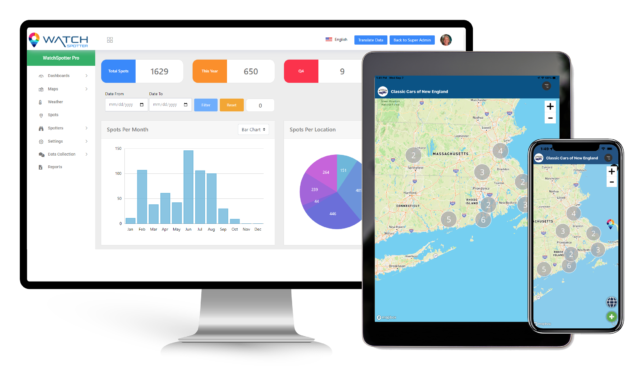
Data collection software has emerged as a game-changer in marine biology, offering sophisticated tools for gathering, analyzing, and managing data on sea lion populations and behaviors. These platforms enable researchers to record detailed observations in real-time, track individual animals over vast distances, and analyze complex data sets to uncover patterns and trends.
Features of Data Collection Software
- Geolocation Tracking: Using GPS tags, researchers can track the movements of California sea lions across their migratory routes and foraging grounds, providing valuable data on their range and habitat preferences.
- Behavioral Analysis: The software allows for the logging of various behaviors, such as feeding, breeding, and social interactions, enabling studies on the social structure and lifestyle of sea lions.
- Population Surveys: Automated tools facilitate the counting and cataloging of individuals in a colony, making population surveys more efficient and accurate.
- Health Assessments: Data on health parameters can be systematically collected and analyzed, helping to identify and address disease outbreaks or pollution effects.
- Environmental Integration: The ability to integrate environmental data, like ocean temperature and fish abundance, offers a comprehensive view of the factors influencing sea lion behavior and survival.
Case Studies: The Impact of Data Collection Software on Research
Several studies have demonstrated the efficacy of data collection software in advancing our understanding of California sea lions. For instance, researchers in the Channel Islands used GPS tagging and data collection software to track the foraging journeys of female sea lions, discovering that they adapt their feeding behavior to changing ocean conditions, which has implications for managing fisheries and protecting critical habitats.
Another study focused on the impact of environmental toxins on sea lion health, utilizing software to correlate pollution exposure data with health outcomes. This research has been instrumental in shaping pollution control measures along the California coast.
Engaging the Public and Enhancing Conservation Efforts
Data collection software not only serves scientific research but also plays a role in public engagement and conservation advocacy. Many programs now offer citizen science platforms, where the public can report sea lion sightings and behaviors, contributing to a broader dataset and fostering a connection between the community and marine conservation efforts.
Future Directions and Challenges
As technology advances, the potential for more sophisticated data collection and analysis grows. Future developments may include more advanced AI-driven data analysis, improved tagging technology with less impact on the animals, and greater integration of diverse data sources to provide even more comprehensive insights into the lives of California sea lions.
However, challenges remain, such as ensuring the ethical treatment of animals during tagging, managing the vast amounts of data collected, and securing funding for ongoing research and technology development.
Conclusion
The integration of data collection software into the study of California sea lions represents a significant leap forward in marine research and conservation. By providing detailed, real-time data on these animals, researchers can gain a deeper understanding of their behavior, population dynamics, and the challenges they face in an ever-changing environment. This knowledge is crucial for developing effective conservation strategies and ensuring the long-term survival of California sea lions. As we continue to harness the power of technology in marine biology, the potential to safeguard and sustain marine life for future generations looks increasingly promising.