









When we come across algae, the first question that often springs to mind is: Is that green gunk floating in the water safe, or is it a perilous toxin? Algae, a diverse group of photosynthetic organisms, can be both a nourishing food source and an environmental hazard. In this article, we’ll dive into algae, exploring its beneficial and harmful types and how technology, particularly WatchSpotter, plays a crucial role in monitoring and managing algae blooms.
The Good: Algae as a Superfood
Algae isn’t just the scum on the surface of ponds; it’s also a superfood packed with nutrients. Spirulina and chlorella, two algae consumed for centuries, are lauded for their health benefits. These algae are rich in proteins, vitamins, and minerals, making them a popular supplement among health enthusiasts.
Spirulina, often found in health food stores as a powder or tablet, boasts high protein content and is a good source of antioxidants, B vitamins, and iron. Chlorella, another algae superstar, is celebrated for its ability to detoxify the body by binding to heavy metals and other toxins.
The Bad: Toxic Algae in Waterways
Not all algae are beneficial; some can be downright dangerous. Harmful algal blooms (HABs), usually caused by cyanobacteria, can produce toxins detrimental to aquatic life, pets, and humans. According to the Centers for Disease Control (CDC), people and animals can get sick if they swim, wade, or play in contaminated water. Eat contaminated fish, shellfish, or supplements or drink contaminated water. These blooms often occur in stagnant water bodies and can create a thick, green scum on the surface. The toxins released by these blooms can cause various health issues, from skin irritations to severe neurological disorders.
Monitoring and managing these toxic blooms is critical for ensuring the safety of water bodies and their surrounding communities. This is where technology like WatchSpotter comes into play.
WatchSpotter: A Game-Changer in Algae Monitoring
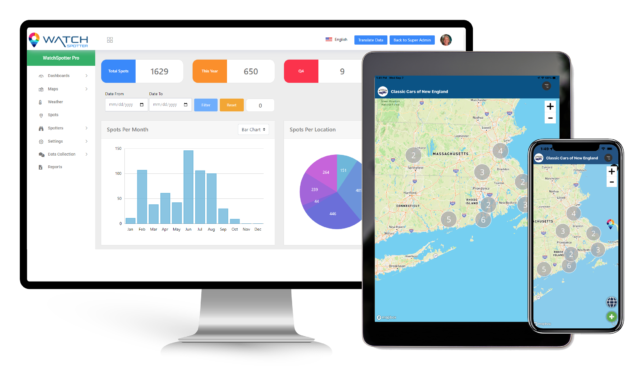
WatchSpotter is more than just a monitoring tool; it’s a comprehensive data collection solution pivotal for delving into the nuances of algae species, understanding the dynamics of algal blooms, and assessing their ecological consequences. At the heart of this system lies the WatchSpotter field microscope, an instrument that exemplifies the seamless blend of precision and practicality.
When integrated with the WatchSpotter data collection platform, this innovative microscope transforms the landscape of algae research. It facilitates real-time data gathering, allowing researchers to instantly capture and analyze algae specimens in their natural environments. This immediacy is crucial for understanding algal blooms’ transient and often volatile nature.
Moreover, the platform’s robust features enable detailed analysis of algae, accurately differentiating between benign and harmful species. Such precision is vital for formulating effective responses to potential ecological threats posed by toxic blooms.
Collaboration is another cornerstone of the WatchSpotter system. Providing a shared data platform fosters a cooperative environment where scientists, environmentalists, and policymakers can come together to share insights, discuss findings, and devise strategies. This collective approach accelerates the research process and enhances the quality and impact of the outcomes.
WatchSpotter represents a significant advancement in algae research, offering a dynamic and integrated approach to studying these complex organisms and their environmental implications. Its blend of real-time data collection, analytical precision, and collaborative potential makes it an invaluable asset in the ongoing quest to understand and manage algal phenomena.
Conclusion: Navigating the Algal Landscape
Algae, in its diverse forms, plays a complex role in our environment and diet. While some algae are celebrated for their nutritional value, others pose significant environmental and health risks. Understanding the difference between these types is essential.
With the advent of technology like WatchSpotter, we are better equipped to monitor and manage algal blooms, ensuring our waterways remain safe and healthy. As we continue to explore the benefits and challenges of algae, one thing is clear: whether toxic or tasty, algae is an integral part of our natural world that demands our attention and respect.