





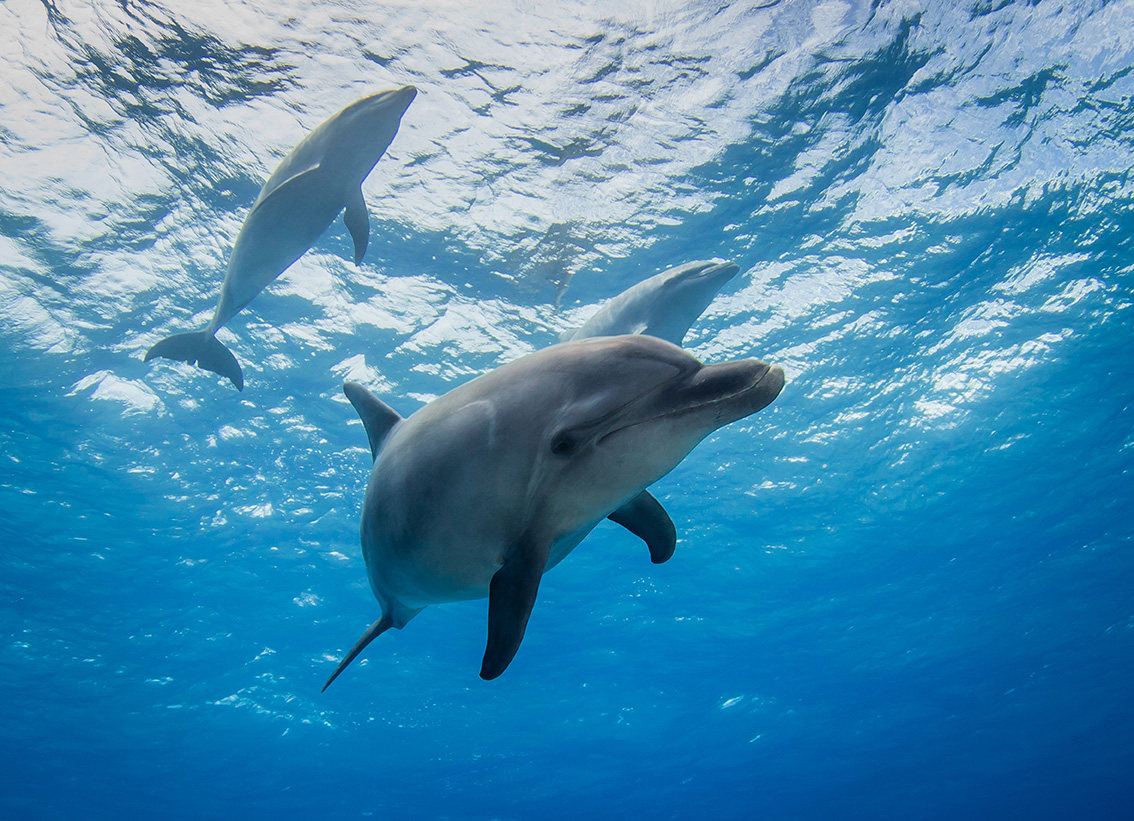
Dolphins, with their intelligence, sociability, and acrobatics, have long fascinated humans. katiejo bikini However, beyond their charismatic presence lies an urgent need to understand and protect these marine mammals. Dolphin population studies are a cornerstone of marine biology, providing insights into the health and trends of dolphin populations, and informing conservation efforts. Central to these studies is data collection, a meticulous and multifaceted endeavor.The Importance of Dolphin Population Studies
Dolphin population studies serve multiple purposes. They help scientists understand the size, structure, and distribution of dolphin populations, assess their health and reproductive status, and identify threats they face, such as pollution, habitat loss, and climate change. This knowledge is crucial for developing effective conservation strategies and ensuring the sustainability of dolphin populations.
Data Collection Methods in Dolphin Population Studies
Aerial Surveys
Aerial surveys are conducted using planes or drones to collect data on dolphin populations over large areas. Observers or cameras onboard capture images and videos, allowing researchers to estimate population sizes, distribution, and habitat use. Aerial surveys are particularly useful for covering extensive and inaccessible areas quickly.
Boat-Based Surveys
Boat-based surveys involve researchers traveling on water to observe and record dolphins in their natural habitat. This method provides opportunities for close-up observations, enabling detailed studies on behavior, social structure, and interactions within the environment. Researchers often use photo-identification techniques, noting unique body markings to track individual dolphins over time.
Acoustic Monitoring
Dolphins are renowned for their vocalizations, which are used for communication and echolocation. Acoustic monitoring involves recording these sounds using underwater microphones or hydrophones. This method helps scientists study dolphin communication patterns, population density, and movements, especially in murky waters or at night when visual observations are challenging.
Satellite Tagging
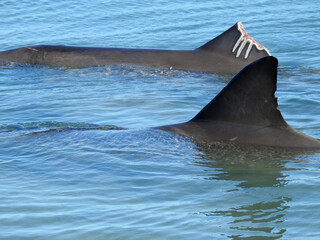
Satellite tagging involves attaching a small device to a dolphin’s dorsal fin, which transmits location and movement data to satellites. This technology provides invaluable insights into the migratory patterns, habitat preferences, and ranging behavior of dolphins, offering a comprehensive view of their movements over time and space.
Genetic Sampling
Genetic sampling involves collecting tissue samples, often through biopsies, to analyze the DNA of dolphins. This method helps researchers understand genetic diversity, population structure, and connectivity among different dolphin groups. Genetic data can reveal patterns of gene flow, breeding behavior, and historical population dynamics.
Challenges in Data Collection
Data collection for dolphin population studies is not without challenges. The elusive nature of dolphins, the vastness of their habitats, and the variability of marine environments can complicate research efforts. Moreover, ethical considerations, such as minimizing disturbance to the animals, and logistical constraints, like weather conditions and funding limitations, must be navigated carefully.
The Role of Technology and Collaboration
Advancements in technology, such as improved satellite tracking, high-resolution imaging, and advanced genetic analysis methods, have significantly enhanced data collection capabilities. Collaboration among scientists, conservation organizations, and local communities is also crucial for sharing knowledge, resources, and best practices, thereby strengthening dolphin research and conservation efforts.
The Impact of Data Collection on Dolphin Conservation
The data collected through these methods provide a foundation for understanding dolphin populations and informing conservation decisions. They can highlight critical habitats, identify threats, and monitor the effectiveness of conservation measures. By tracking population trends over time, researchers can detect changes that may indicate emerging threats or conservation successes.
Conclusion
In conclusion, data collection is a vital component of dolphin population studies, enabling researchers to gather the information necessary to understand and protect these remarkable creatures. While challenges remain, the integration of innovative technologies and collaborative approaches continues to advance the field, offering hope for the future of dolphin conservation. By deepening our understanding of dolphin populations, we can develop more effective strategies to ensure their survival and well-being in an ever-changing world.
Top of Form