








Introduction:
Algal blooms have become a growing concern due to their detrimental effects on water ecosystems and human health. To effectively manage and mitigate the risks associated with harmful algal blooms (HABs), accurate data collection is essential. In this article, we’ll explore how the combination of WatchSpotter, an innovative data collection tool, and field microscopes are revolutionizing the monitoring and management of HABs, shedding light on the secrets of algae for a safer aquatic environment.
Understanding Harmful Algal Blooms:
Harmful algal blooms occur when certain species of algae experience rapid and excessive growth, leading to visible patches or discoloration in water bodies. These blooms are often fueled by nutrient pollution, such as excessive nitrogen and phosphorus inputs. Timely identification and understanding of these blooms are vital for effective management and protection of water resources.
WatchSpotter: A Game-Changing Data Collection Tool:
WatchSpotter is an innovative data collection tool that empowers citizen scientists and researchers to contribute valuable information about HABs. This user-friendly smartphone application allows users to photograph and document algal blooms they encounter during their outdoor activities, transforming them into crucial data points. The app also captures the time, date, and location of each observation, facilitating spatial mapping and monitoring of bloom occurrences.
Field Microscopes: Revealing Algal Secrets On-site:
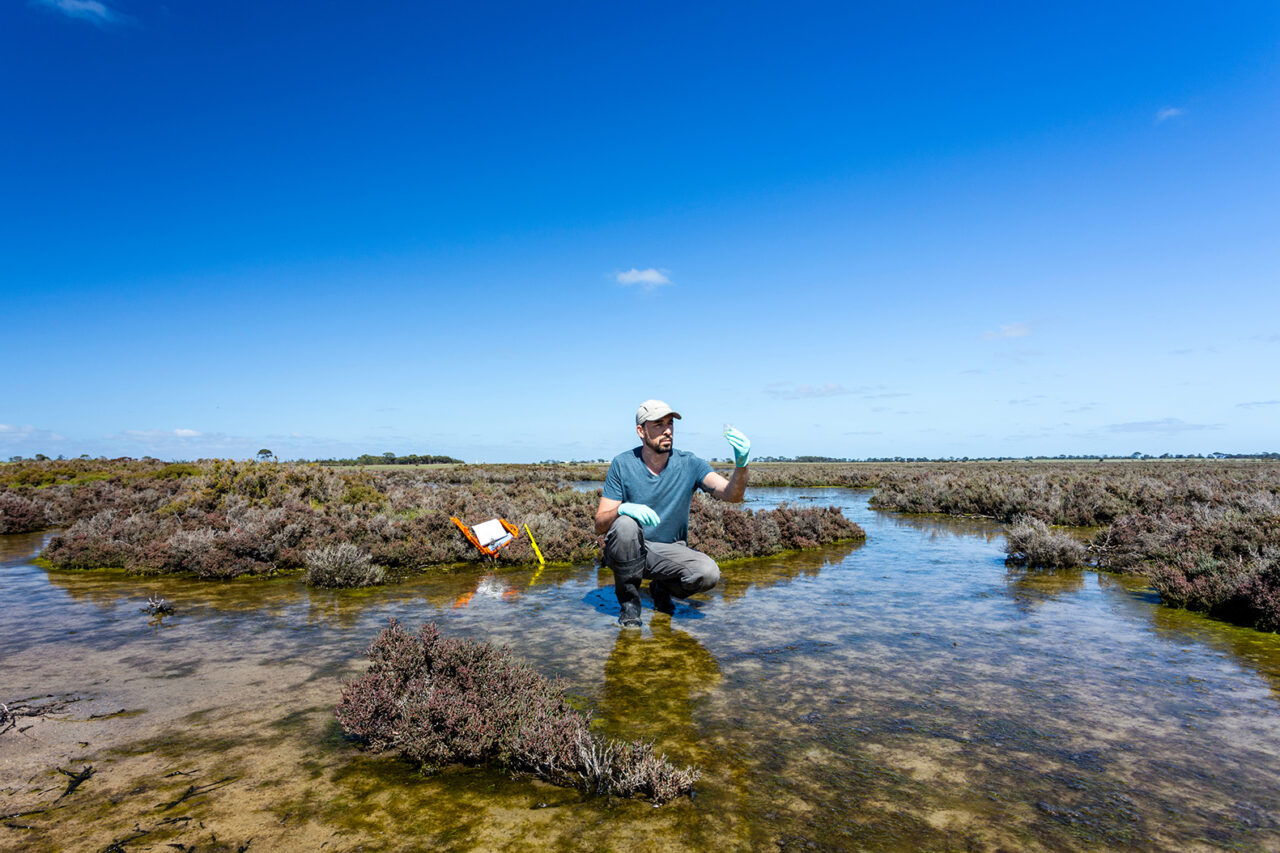
Field microscopes, also known as portable or hand-held microscopes, bring the power of magnification to the field. These compact devices enable researchers and environmental professionals to observe algal samples collected directly from affected areas in real-time. By placing a water sample on a microscope slide and examining it under the field microscope, experts can identify algal species, assess cell counts, and visually determine the potential for toxin production.
Data Analysis and Interpretation:
The data collected through WatchSpotter and field microscopes are invaluable for understanding the dynamics of HABs. By analyzing the documented observations, scientists can detect patterns, trends, and hotspots of algal blooms. The combination of geospatial information and detailed visual observations helps identify specific areas that require further investigation, enabling targeted sampling efforts and allocation of resources for additional laboratory analysis.
Effective Management Strategies:
The utilization of WatchSpotter and field microscopes enhances the development of effective management strategies for HABs. Real-time reporting through WatchSpotter allows for rapid response and communication, triggering alerts and enabling timely public advisories. Additionally, on-site microscopic examination of algal samples helps assess the immediate risk and guides management decisions regarding water treatment, recreational restrictions, and mitigation measures.
Collaborative Monitoring and Outreach:
WatchSpotter encourages collaboration between citizen scientists, researchers, and water management agencies. By involving the public in data collection, this platform raises awareness about HABs and engages communities in proactive monitoring efforts. Furthermore, the data collected through WatchSpotter can contribute to long-term monitoring initiatives, research studies, and the development of comprehensive databases, enriching our understanding of algal bloom dynamics on a larger scale.
Conclusion:
The integration of WatchSpotter and field microscopes in HAB monitoring revolutionizes our ability to understand and manage these detrimental algal blooms. By harnessing the power of citizen science, geospatial data, and on-site microscopic analysis, we can collectively unveil the secrets of algae and work towards a safer aquatic environment. Continued efforts in data collection, analysis, and collaborative monitoring will contribute to proactive management strategies, safeguarding our precious water resources from the impacts of harmful algal blooms.