


One Ocean. One Future: Why Marine Conservation Depends on Collaboration
The ocean doesn’t recognize borders.
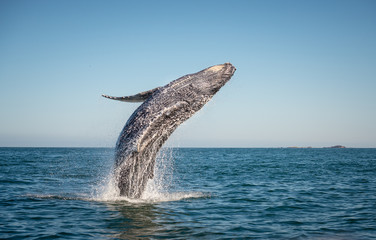
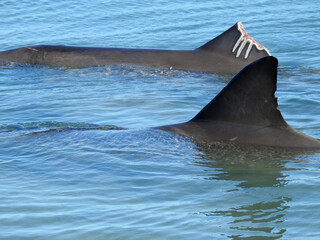
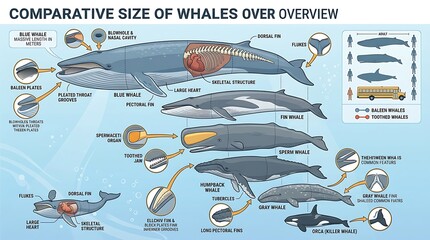
A whale migrating through the Caribbean may travel through the waters of multiple countries in a single season.
Dolphins move through areas managed by different agencies and jurisdictions.
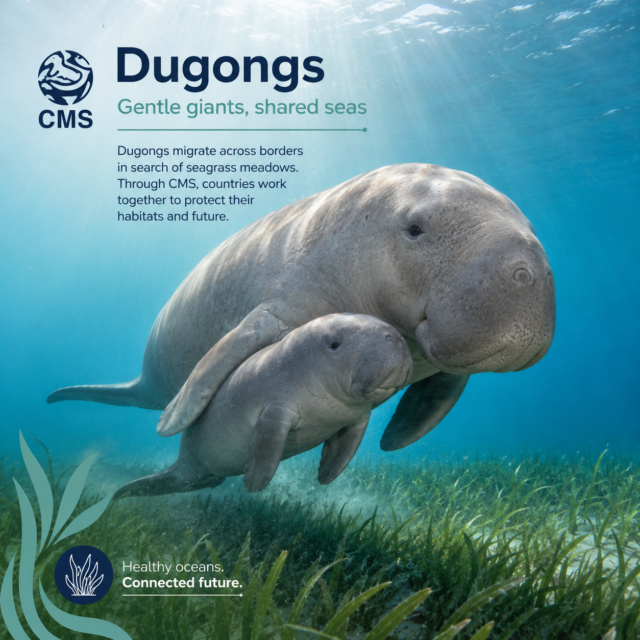
Dugongs rely on seagrass habitats extending across regions.
Ocean currents connect ecosystems separated by enormous distances.
What happens in one place can ultimately affect another.
That is why collaboration has always been fundamental to marine conservation.
No One Sees the Entire Ocean
Every research program sees a piece.
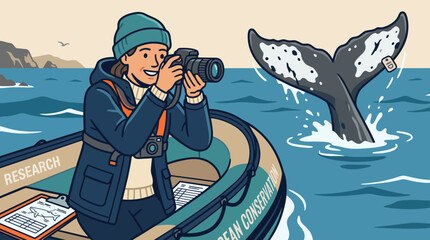
One organization may monitor a particular coastline.
Another studies a population farther along a migration route.
A university may specialize in genetics.
A government agency may maintain decades of survey data.
A conservation organization may work directly with communities living alongside critical habitat.
Each perspective matters.
But none tells the entire story.
Our understanding becomes stronger when those pieces can come together.
Collaboration Begins With Information
Scientific collaboration depends upon more than people being willing to work together.
Information also has to travel.
Observations need context.
Methods need to be understood.
Datasets need to remain accessible.
Researchers need ways to compare findings and recognize where their work intersects with someone else’s.
This can become especially challenging when information is collected by different organizations using different tools, formats, terminology, and systems.
The scientific question may be shared.
The data often aren’t.
Standardization Without Losing Scientific Independence
There is an important balance here.
Research programs have different objectives.
Different species require different methodologies.
Different ecosystems require different approaches.
Standardization shouldn’t mean forcing every researcher into the same scientific process.
Instead, we can look for opportunities to make information more interoperable while respecting those differences.
Common terminology.
Consistent core observations.
Clear metadata.
Accessible formats.
Ways to connect information without eliminating the scientific context that makes it meaningful.
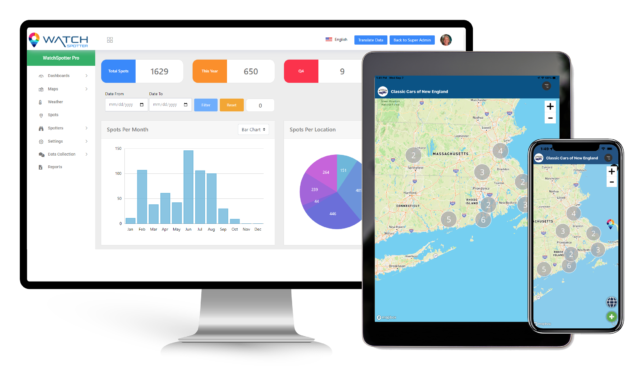
That’s an area where thoughtful technology can help.
One Ocean Requires Many Perspectives
The theme of SMM2026—One Ocean, One Future—captures this beautifully.
Marine conservation isn’t the responsibility of one organization, country, discipline, or profession.
It belongs to a community.
Researchers.
Students.
Indigenous and local communities.
Conservation organizations.
Government agencies.
Response networks.
Educators.
Technologists.
Policymakers.
People who may approach the ocean from very different perspectives but share an interest in understanding and protecting it.
The Future Is Collaborative
Some of the greatest environmental challenges we face are too large for any one organization to solve alone.
Climate.
Habitat loss.
Pollution.
Changing ocean conditions.
Species moving across political boundaries.
Responding effectively requires information, expertise, and perspectives from many places.
Technology can help connect those pieces.
But collaboration remains fundamentally human.
It begins when someone shares an observation.
Someone else recognizes a connection.
A conversation begins.
A question changes.
And people decide to work on the answer together.
Different roles.
Different perspectives.
Different parts of the world.
One Ocean. One Future.