
Understanding the psychology behind gambling behavior in casinos
The allure of chance and risk
The psychology of gambling is deeply rooted in the human attraction to chance and the thrill of risk-taking. Casinos are designed to amplify these feelings, providing an environment that stimulates the senses. The flashing lights, alluring sounds, and the buzz of excitement create a sensory experience that can be addictive. This ambiance is essential in encouraging individuals to engage in gambling behavior, as it evokes feelings of anticipation and excitement, especially when considering online casinos.
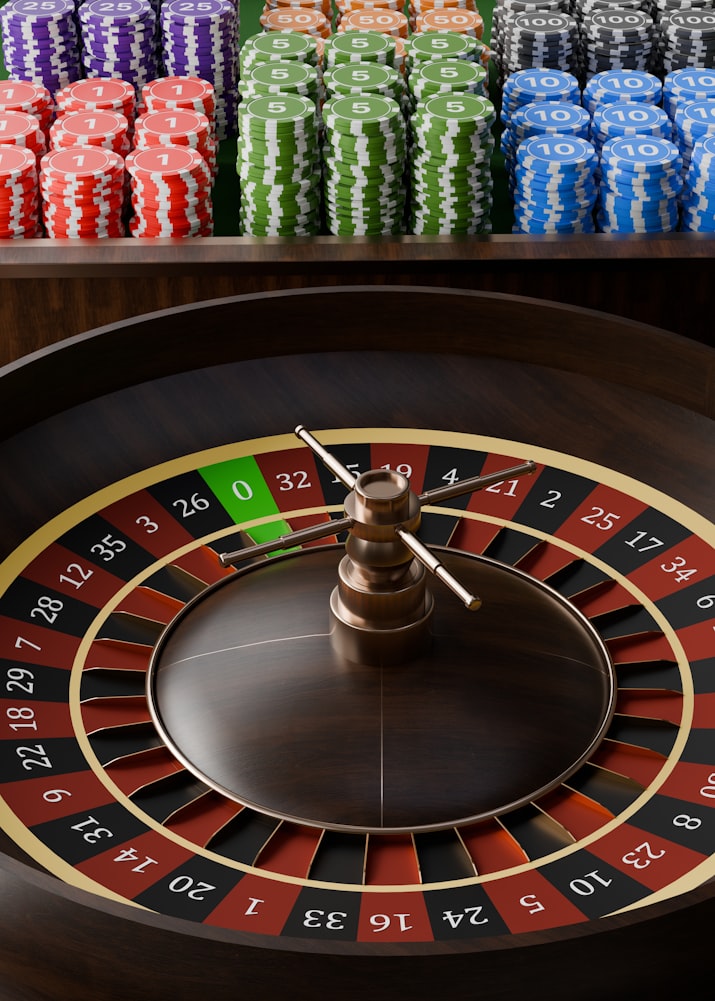
Moreover, the notion of winning big plays a pivotal role in attracting gamblers. The possibility of a life-changing jackpot fuels the desire to participate, often leading individuals to take risks they might otherwise avoid. This psychological phenomenon can be linked to the concept of variable reinforcement, where the uncertainty of winning keeps players returning, as they remain hopeful for that elusive big win.
Social influences and peer pressure
Social dynamics greatly impact gambling behavior within casinos. Many individuals view gambling as a social activity, whether it’s a night out with friends or participating in a poker game. This communal aspect can foster a sense of belonging and camaraderie, enticing more people to engage in gambling. Furthermore, the behavior of others can significantly influence an individual’s decision-making process, often leading them to bet more than they initially intended.
Peer pressure can also play a crucial role in shaping gambling behavior. When surrounded by others who are gambling, individuals may feel compelled to join in, sometimes disregarding their better judgment. This social reinforcement can create an environment where excessive gambling becomes normalized, making it difficult for individuals to recognize the potential risks involved.
The impact of cognitive biases
Cognitive biases significantly influence gambling behavior, often leading individuals to make irrational decisions. For instance, the illusion of control makes gamblers believe they can influence the outcome of a game based on their skills, despite the fact that many games of chance rely solely on luck. This misconception can lead to overconfidence, encouraging players to gamble larger amounts in hopes of controlling the outcome.
Additionally, gamblers may fall victim to the gambler’s fallacy, where they believe that previous outcomes will affect future results. For example, if a player has lost several times in a row, they may wrongly assume that a win is “due” to occur soon. These biases can cloud judgment and result in prolonged gambling, often leading to financial losses and negative consequences.
The role of emotions in gambling behavior
Emotions are deeply intertwined with gambling behavior, affecting decision-making processes and overall experiences within casinos. Many gamblers seek out gambling as a form of escapism, using it to cope with stress, anxiety, or boredom. This emotional connection can lead to compulsive gambling behavior, as individuals may turn to the casino for a temporary reprieve from their problems.
Furthermore, the emotional highs and lows associated with gambling can create an addictive cycle. Winning can elicit feelings of euphoria and excitement, while losing may result in frustration or sadness. This rollercoaster of emotions can reinforce gambling habits, leading individuals to chase losses and continue playing in hopes of recapturing that initial high.

Exploring further on our website
For those interested in delving deeper into the psychology of gambling, our website offers a wealth of resources and information. We provide insights into the various factors that influence gambling behavior, including psychological, social, and emotional elements. Our goal is to foster a better understanding of this complex topic, enabling individuals to make informed decisions about their gambling activities.
Additionally, our platform offers support and advice for those who may be struggling with gambling-related issues. By promoting awareness and understanding, we aim to contribute to responsible gambling practices and help individuals navigate the exciting yet challenging world of casinos.